


Indiana law uses specific language when charging impaired driving offenses. The distinction matters in court, filings, and sentencing.
OWI (Operating while intoxicated) is the formal offense defined under Indiana law. A person may be charged with OWI if they operate a vehicle while impaired by alcohol, controlled substances, prescription drugs, or any combination of substances.
DUI (Driving under the influence) is a commonly used term, but does not appear in Indiana’s criminal statutes. Courts, prosecutors, and charging documents rely on OWI standards even when DUI is used informally.
Relevant statutes include:
Police officers rely on field sobriety tests, chemical tests, or observational evidence. A failed test is not required for an OWI charge, and test accuracy is frequently disputed in court.
OWI and DUI penalties in Indiana depend on the charge level, prior history, and whether the State alleges injury or other aggravating factors. Penalties come from both the criminal court and the Indiana Bureau of Motor Vehicles, and they apply independently.
A Class C Misdemeanor OWI offense (including an OWI first offense or operating a vehicle with a BAC of above .08 but less than .15) without injury may result in:
If the State alleges a BAC of 0.15 or higher, or operating a vehicle while intoxicated endangering a person, penalties increase and may include:
OWI charges may become felonies when injuries, prior convictions, or death are alleged.
Felony penalties may include:
Repeat offenses also carry enhanced penalties and longer jail sentences.
An OWI case impacts more than court appearances. The consequences often extend into daily life, employment, and financial stability.
Potential effects include:
The Indiana Criminal Justice Institute reports that alcohol-related crashes remain a significant enforcement focus statewide, with ongoing prosecution efforts tied to impaired driving incidents.
.webp)
The first hours and the first weeks matter. Small decisions can shape evidence, license status, and how the prosecutor frames the case. This section outlines the steps we review with clients immediately after an arrest.
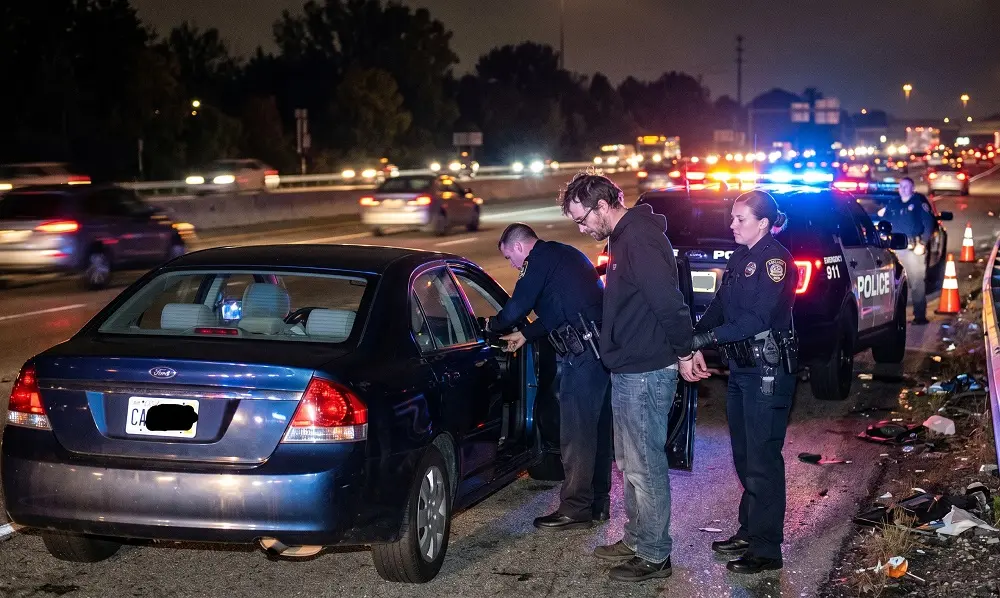
A traffic stop later becomes the foundation of the prosecution’s case. Officers write reports that get treated like facts unless challenged.
Do this:
Do not do this:
What we do next: we request and review the video, dispatch logs, and the written basis for the stop. If the stop lacks legal footing, we push for suppression and dismissal.
Field sobriety testing is often presented as objective. In reality, it is highly dependent on conditions and officer scoring choices.
We challenge the instructions for the tests, whether a standardized protocol was followed, and whether the video matches the report. That is a core part of the work of Crown Point DUI/OWI defense attorneys.
Chemical test issues are some of the strongest defense angles in OWI cases. Machines require calibration. Blood draws require a chain-of-custody control. Timing and handling matter.
Indiana Code § 9-30-6-1 implied consent rules are central here:
An Indiana DUI/OWI attorney uses those details to attack reliability, not just argue about numbers.
After release, clients often feel pressure to “fix it” by calling people, posting online, or negotiating on their own. That creates evidence:
Early missteps often reduce available defense options.
Many OWI clients have their driving ability suspended before the court resolves the criminal charge. That can cost jobs and family stability.
Indiana Code § 9-30-16-3 provides a route in many cases to request Specialized Driving Privileges:
Courts often condition an SDP on the installation of an ignition interlock device, proof of insurance, and compliance with monitoring requirements. Failure to follow conditions can result in immediate revocation.
The right defense is not generic. A solid OWI defense requires a review of technical evidence and a courtroom posture that prosecutors respect. That is how outcomes improve.
We review stop basis, video, officer reports, test procedures, and discovery with a trial mindset. Weak facts get exposed early.
We deal directly with the prosecutor’s office. We push for discovery, file motions as needed, and press for a reduction in charges or dismissal when the State’s case falls apart.
License suspension, SDP planning, ignition interlock, and court conditions are handled as part of one plan. This is how drivers keep jobs and reduce fallout.
This is why clients seeking Indiana DUI/OWI attorney representation come to Stracci Law Group for direct legal representation and a defense built for the court.

Attorney Joshua Malher has an extensive personal injury practice and experience in defending civil cases.
Many drivers can pursue Specialized Driving Privileges (SDP), but courts often require strict proof and restrictions. Drivers alleged to have refused a chemical test are not eligible for SDP. However, in some cases, they may be eligible for a hardship license in the form of an ignition interlock device under IC 9-30-6-8(d)
Work, medical care, parenting responsibilities, and other necessities can support the request. Courts may require ignition interlock, proof of insurance, and specific route or time limitations. Violations can revoke SDP quickly and create new criminal exposure.
.svg)

-p-500.avif)

.avif)
-p-500%20(1).avif)

.avif)

